


- Tips for tourists
- Tips for tour guides
- Crafting non-traditional excursions
- Children's tour
- Culture and History tour
- Scuba diving & snorkeling tour
- Eco and Wildlife tour
- Excursion
- Fishing tour
- Gourmet & Cooking tour
- Hiking/Trekking/Cycling tour
- Jeep tour
- Local private tour
- African safari
- Shopping tour
- Sightseeing tours and excursions
- Walking tour
- Wine tasting tour
- Railway trip
- Photo tour
- Bird watching tours
- Shore excursion in the port city
- Adventure tour
- Arts and Crafts tour
- Religious tour
- The FIRST WAVE℠ promo
Articles
Photo tour

Just an hour south of Marrakech’s labyrinthine medinas and humming motorcycle engines, the world changes dramatically. The flat, sun-baked plains give way to towering walls of red earth, jagged granite spires, and snow-capped summits that seem to hold up the sky. This is the High Atlas—North Africa’s grandest mountain range and the ancient sanctuary of the Imazighen (the "free people," historically known as Berbers). For over ten thousand years, the indigenous communities of these valleys have shaped—and been shaped by—a formidable landscape. Here, life moves to a rhythm dictated not by clocks, but by the changing seasons, the flow of snowmelt through terraced orchards, and the timeless ritual of sharing mint tea. To step onto the winding trails of the Atlas is to step out of the rush of modern life and into a realm where nature, culture, and simple living exist in quiet, breathtaking harmony. The Local Tour Guides in Morocco on the PRIVATE GUIDE WORLD platform will help you navigate the way!

Morocco has many places to explore, but these six destinations give travelers a clear and balanced introduction to the country. Each one represents a different part of Moroccan culture, geography, and daily life:
- Marrakech shows the energy of Moroccan markets, architecture, and crafts.
- The Sahara Desert presents quiet landscapes, nomadic traditions, and simple desert camps.
- Fes highlights religious and educational heritage in one of the world’s most complex medinas.
- Chefchaouen offers quiet blue streets and Andalusian influence.
- The Atlas Mountains & Berber Villages show nature, trekking routes, and traditional village life.
- Casablanca presents modern Morocco with historic architecture and coastal views.
Together, these destinations give travelers a complete picture of the country: historic, modern, urban, rural, coastal, mountain, and desert environments.
This series presents six practical tour programs across Morocco. Each program highlights a major destination, explains what travelers can see, and shows how tour guides of Morocco add value through orientation, cultural interpretation, and communication support. The articles also give local tour guides ideas for shaping or improving their own programs on PRIVATE GUIDE WORLD.

Tashkent is the capital of 🇺🇿 Uzbekistan and the largest city in Central Asia. It is a place where modern buildings, wide roads, and new districts stand next to traditional markets, old neighborhoods, and historic 🕌 mosques. Many visitors describe Tashkent as a city with clear contrasts. It is modern and active, but it also has a strong connection to tradition and cultural identity.
This is the last article in the series “Tours to 🇺🇿 Uzbekistan” explains the main places to visit in Tashkent, the character of the city, and the qualities of the Uzbek people who live here. It also shows how modern life and traditional values exist together in a natural and balanced way. In this article, you will find a clear explanation of why it is advisable to visit the capital of 🇺🇿 Uzbekistan with local tour guides in Tashkent.

Shahrisabz is one of the oldest cities in 🇺🇿 Uzbekistan. It is located south of Samarkand, near the 🏔️ mountains. Many visitors come here to learn about the early life of Amir Temur, also known as Tamerlane. He was born near Shahrisabz in 1336, and the city remained important to him throughout his life. Today, Shahrisabz is a quiet place with wide streets, historic buildings, and a strong connection to the past.
Stepping into Shahrisabz is like walking directly into the pages of a grand 🐫 Silk Road epic. As the birthplace of Amir Temur (Tamerlane), this UNESCO World Heritage city was transformed in the 14th century into a magnificent imperial sanctuary, intentionally designed to display the unmatched wealth and architectural genius of the Timurid 👑 dynasty. From the jaw-dropping, colossal ruins of the Ak-Saray Palace to the serene turquoise domes of the Dorut Tilavat complex, every 🧱 brick, mosaic tile, and hidden alleyway here tells a story of raw ambition, deep spirituality, and mathematical artistry. While the stunning 📸 photographs in this article offer a glimpse into this timeless city, the true 💚 soul of Shahrisabz can only be felt in person. To 🔓 unlock the hidden history, local legends, and secret vantage points behind these monuments, find a private tour with our expert local guide in Shahrisabz, 🇺🇿 Uzbekistan, on www.pg.world - the ultimate way to transform your visit into an unforgettable journey through time.

Bukhara is one of the most important ☪️ religious and cultural cities in Central Asia. Many visitors describe it as a calm and thoughtful place. The streets are full of history, and the buildings reflect the long tradition of ☪️ Islamic learning. Bukhara has been a center of ☪️ religion, education, and trade for more than a thousand years. Today, it continues to play an important role in the spiritual life of 🇺🇿 Uzbekistan.
This article explains the ☪️ religious heritage of this ancient city, the meaning of ☪️ religion in modern 🇺🇿 Uzbekistan, and the main places visitors can explore with local tour guides in Bukhara.

Khiva is one of the most well‑preserved old cities in 🇺🇿 Uzbekistan. Many visitors say that walking inside Ichan‑Kala feels calm and quiet. The streets are narrow, the walls are high, and the buildings have simple and clear shapes. The city has a slow rhythm, and this creates a special atmosphere. Visitors often move slowly because there is something to look at in every direction.
This article focuses only on Ichan-Kala, the inner city of Khiva. It explains what visitors can see, how the city feels, and why local tour guides in Khiva from the PRIVATE GUIDE WORLD platform can help travelers understand the details of this historic place.

The Fergana Valley is one of the most interesting regions of 🇺🇿 Uzbekistan. It is a wide and fertile area surrounded by 🏔️ mountains. Many visitors come here to learn about silk production, ceramics, and the history of the Kokand Khanate. The valley is different from other parts of 🇺🇿 Uzbekistan. It has a strong 🧶 craft tradition, a rich cultural mix, and a long history of trade. At the same time, it is a region where travelers should stay informed and travel with care.
This article focuses on three important places in the valley: Margilan, Rishtan and Kokand. These cities show the character of the region through their work 🛍️ shops, markets, and historic buildings. We will provide you with clear arguments why it is essential to visit the Fergana Valley with local tour guides in Kokand.

The Aral Sea is one of the most unusual places in Central Asia. It is a quiet, wide land where the sea once was. Today, visitors come here to see a landscape very different from that of other parts of 🇺🇿 Uzbekistan. Many people describe their visit as a serious and thoughtful experience. The land is dry, the air is clear, and the silence is strong. The Aral Sea region is not a typical tourist destination, but it is a place that helps visitors understand history, nature, and human decisions in a very direct way.
This article explains how to visit the Aral Sea, what to expect, how to prepare, and why local tour guides in Nukus (the best city to start from) can arrange this journey safely and meaningfully.

As 🌺🌼 spring arrives across the Northern Hemisphere, we start a new series of articles on traveling in 🇺🇿 Uzbekistan, one of the fastest-growing destinations in Central Asia.
This series of articles presents 🇺🇿 Uzbekistan as a country with strong traditions, deep cultural roots, and a modern identity. Each article focuses on one region and explains what visitors can see, how the place feels, and why local multilingual tour guides in 🇺🇿 Uzbekistan can make the experience more meaningful.
Three years ago, we published a very popular article on the PRIVATE GUIDE WORLD platform - "On Samarkand's 🐫 Silk Road with a Local Tour Guide." That article's popularity gave us a push to present 🇺🇿 Uzbekistan in full.
The 🇺🇿 Uzbekistan series will cover the following destinations:
1. The Aral Sea
2. Fergana Valley
3. Khiva
4. Bukhara
5. Shahrisabz
6. Tashkent
So, when 🌺🌼 spring is on your 📅 calendar, then 🇺🇿 Uzbekistan should be on your schedule!

Discover spring in a completely new way. Our latest feature explores 🌸 cherry 🌸 blossom destinations outside the usual routes — from 🌍 Europe to 🌎 South America and beyond. While the world traditionally looks to 🇯🇵 Japan for hanami inspiration, we spotlight 15 unexpected places where cherry trees burst into color each spring. Perfect for travelers seeking something different and for tour guides crafting rare, time‑sensitive experiences. Step into a world in bloom — where pink 🌸 petals meet non‑traditional adventures.

To dive into the next part of an article series, "Records in Stone", we will cross the oceans, change continents, and time zones. Yes, the following stop is in North America, and precisely - in Mexico!
If Egypt built pyramids to impress eternity and China built them to quietly outlast it, then Mexico built pyramids to perform. They are not tombs. They are not monuments to dead kings. They are event machines: cosmic calendars, ritual stages, astronomical observatories, echo chambers, and geometric invitations for the gods to make dramatic entrances.
Mexico is not a pyramid culture. It is a constellation of them. Different civilizations, different centuries, different intentions. But they all agreed on one thing: if you want to speak to the heavens, build a pyramid.
This chapter of the "Records in Stone" article series focuses on two giants:
- Teotihuacan, the mysterious megacity near Mexico City, and
- Chichén Itzá, the Maya’s masterpiece of astronomical precision.

Angkor Wat may be Cambodia’s crown jewel, but its stones whisper more than history — they echo the rhythms of a living culture. This article invites you to go beyond the monument’s grandeur and into the shadows, where Khmer traditions still thrive.
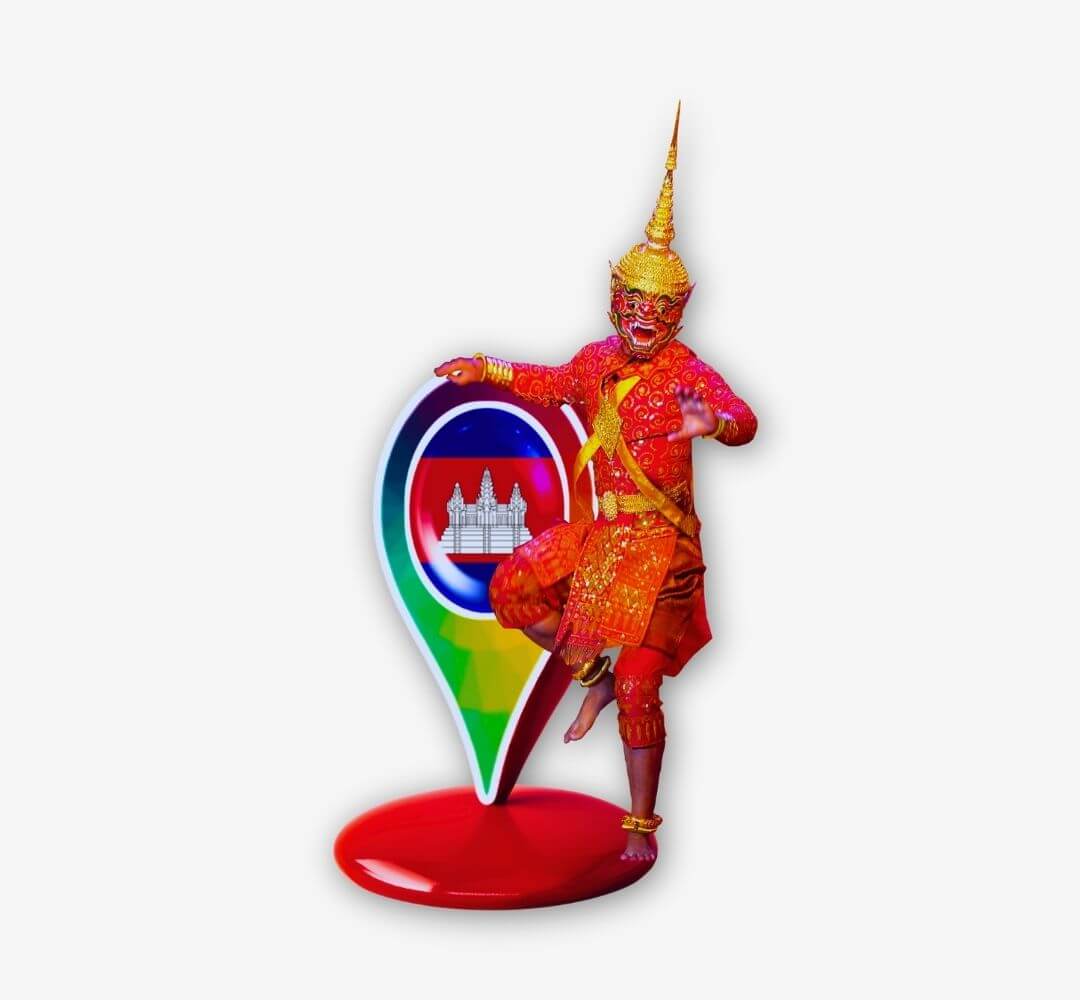
From ceremonial clothing and spiritual rituals to street food and etiquette, we delve into the vibrant customs that shape modern Cambodian life. Guided by locals who carry these traditions forward, this is not just a tour — it’s a journey of discovery, revealing identity, resilience, and culture in the depths of the soul.